
The Benefits of 3-Phase Voltage for Commercial and Industrial Applications
What is 3-Phase Voltage?
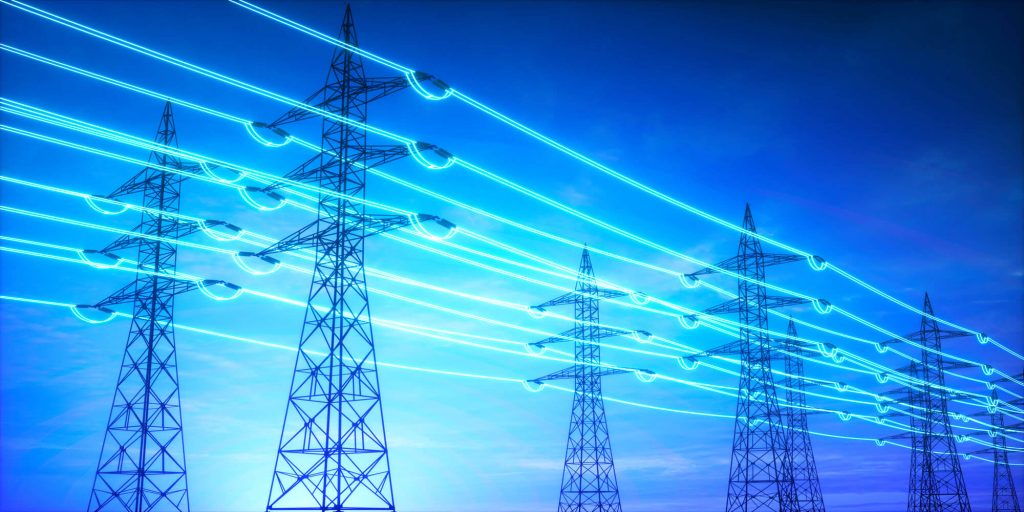 3-phase voltage is a type of AC power distribution that is commonly used in commercial and industrial settings because it provides a more efficient and stable power supply compared to single-phase systems. Unlike single-phase power, which has one alternating voltage cycle, 3-phase power consists of three alternating voltage waveforms that are evenly spaced (120 degrees apart), ensuring a constant flow of power. This leads to smoother operation of heavy machinery, higher efficiency in energy transmission, and reduced electrical losses—critical factors for businesses relying on high-power equipment.
In commercial and industrial facilities, electrical loads are often high, and 3-phase power allows for more balanced and efficient energy distribution across multiple systems. Most heavy-duty motors, HVAC systems, and large manufacturing equipment are designed to operate on 3-phase power because it eliminates the power dips that occur with single-phase systems, ensuring better performance and longevity of machinery.
Why AC Voltage Flexibility Matters for 3-Phase Systems
Sol-Ark’s advanced transformerless hybrid inverters are specifically engineered to integrate seamlessly with common 3-phase voltage levels, including 120/208V and 277/480V AC, making them highly adaptable for various grid configurations worldwide.
Sol-Ark inverters are capable of handling different global voltage standards, such as 127/220V in Mexico or 230/400V in Africa, and switching between 50 Hz and 60 Hz frequencies, ensuring compatibility with international electrical infrastructures.
Key benefits of AC voltage flexibility in 3-phase applications include:
- Automatic Voltage Regulation (AVR): The inverter dynamically stabilizes voltage fluctuations, ensuring equipment operates within safe limits, even in weak or unstable grid environments.
- Voltage Ride-Through Capabilities: Sol-Ark inverters can detect and respond to brief grid disturbances within milliseconds, maintaining uptime and compliance with utility requirements.
- Reactive Power Compensation: The ability to adjust power factor dynamically helps stabilize grid voltage, reducing stress on electrical infrastructure and ensuring compliance with emerging grid codes.
- Seamless Transition to Backup Power: In the event of a power outage, Sol-Ark hybrid inverters can instantly switch to battery storage, ensuring uninterrupted power supply for mission-critical systems.
Scalability of the Sol-Ark L3 Series BESS for Commercial and Industrial Applications
Scalability is a crucial consideration for commercial and industrial (C&I) energy storage systems, as businesses often require solutions that can expand to meet growing power demands.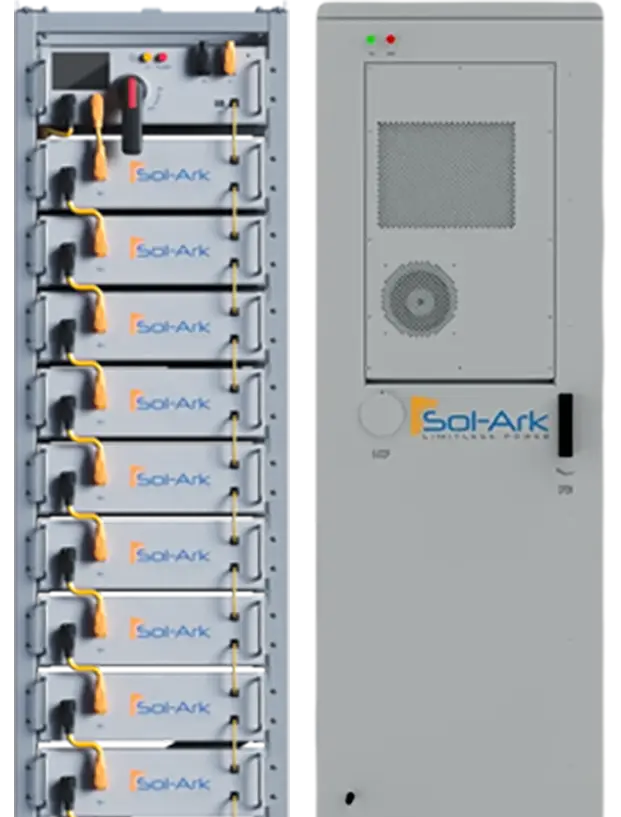 The Sol-Ark L3 Series LimitLess Lithium Battery Energy Storage System (BESS) is designed with modular scalability in mind, making it ideal for businesses that need to scale energy storage capacity over time.
Key scalability features of the Sol-Ark L3 Series BESS:
- Modular Design: The system allows for parallel stacking of battery units, enabling businesses to expand energy storage capacity as needed without overhauling their entire infrastructure.
- High Voltage & High Density: The L3 Series operates at higher voltage levels, reducing current requirements and improving system efficiency for large-scale applications.
- Integrated Energy Management: Advanced battery management systems (BMS) optimize charge and discharge cycles, maximizing system lifespan and performance as storage needs grow.
- Flexible Deployment: The L3 Series can be configured to support grid-tied, off-grid, and hybrid energy systems, making it suitable for micro-grids, large-scale solar + storage projects, and industrial backup power applications.
- Seamless Integration with Hybrid Inverters: When paired with Sol-Ark hybrid inverters, the L3 Series BESS ensures a fully integrated energy solution capable of supporting large-scale 3-phase power loads.
These features make Sol-Ark’s technology an ideal choice for businesses seeking energy independence, resilience, and long-term cost savings in their power systems.