
VPPs for Installers Without the Hype:
What you Should Really Know
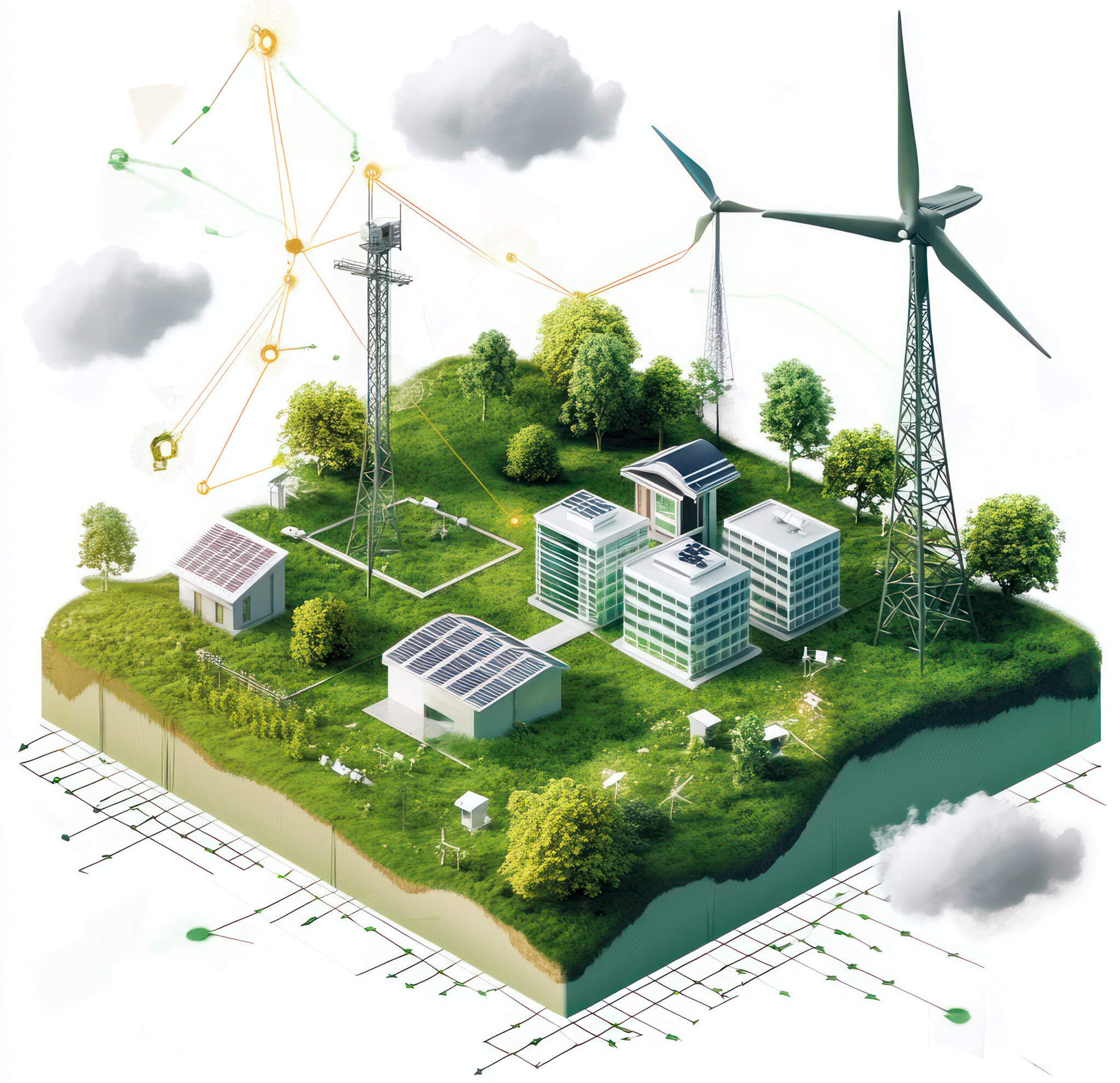
Virtual Power Plants (VPPs) are already shaping how utilities think about reliability, but they are not magic. For installers and homeowners, a VPP is best understood as a coordination tool—one that links many small energy systems into something utilities can actually use. That distinction matters, because much of the current confusion comes from expecting VPPs to do jobs they were never designed to do.
At their core, VPPs allow utilities or aggregators to briefly call on distributed energy resources—home batteries, solar-plus-storage systems, smart inverters, EV chargers—and operate them together. Instead of firing up a peaker plant, the grid operator asks hundreds or thousands of systems to discharge or reduce load for a short window. The value is timing, not volume. According to the U.S. Department of Energy, VPPs improve grid flexibility by responding faster than traditional generation during high-demand events (U.S. Department of Energy).
What VPPs Actually Do Today
Most active VPP programs in the United States focus on a narrow task: peak support during grid stress. These events usually occur a handful of times per year, often during extreme heat or cold. Dispatch windows are measured in minutes or a few hours, not days. Homeowners may receive compensation, but the payout depends on performance and program rules, not system size alone.
This is where expectations often drift. A VPP does not promise unlimited backup power, nor does it guarantee steady income. It is better compared to a relief pitcher than a full starting rotation. When the grid is under pressure, the VPP steps in briefly, then hands control back to the homeowner.
The Federal Energy Regulatory Commission (FERC) has pushed this model forward through Order 2222, which allows aggregated distributed energy resources to participate in wholesale markets. Implementation, however, varies by region, and many utilities are still in pilot phases (Federal Energy Regulatory Commission).
What VPP is Not
For installers, it helps to say this plainly: a VPP is not a replacement for proper system design. Battery sizing, critical load planning, and backup goals still come first. A homeowner who expects whole-home backup through multi-day outages should not design around VPP incentives. Those incentives are conditional and can change as utilities adjust programs.
A VPP is also not a set-it-and-forget-it feature. Participation depends on connectivity, firmware compatibility, and customer permissions. If Wi-Fi drops or settings are misconfigured, performance suffers—and so does compensation.
Five Common VPP Program Types
Installers benefit from recognizing that not all VPPs operate under the same rules. Explaining these categories helps homeowners understand why their neighbor’s payout may look different from theirs.
Utility emergency response programs
Demand response aggregation
Rate-optimization + VPP Dispatch
Community choice/ municipal programs
Wholesale market aggregation
These are the most common. Utilities call events during peak demand and pay participants based on delivered energy or availability. Enrollment is usually simple, but payouts vary year to year.
Here, homeowners save money daily through time-of-use shifting, with VPP events layered on top. This model works well where export credits are limited.
Practical Guidance for Installers
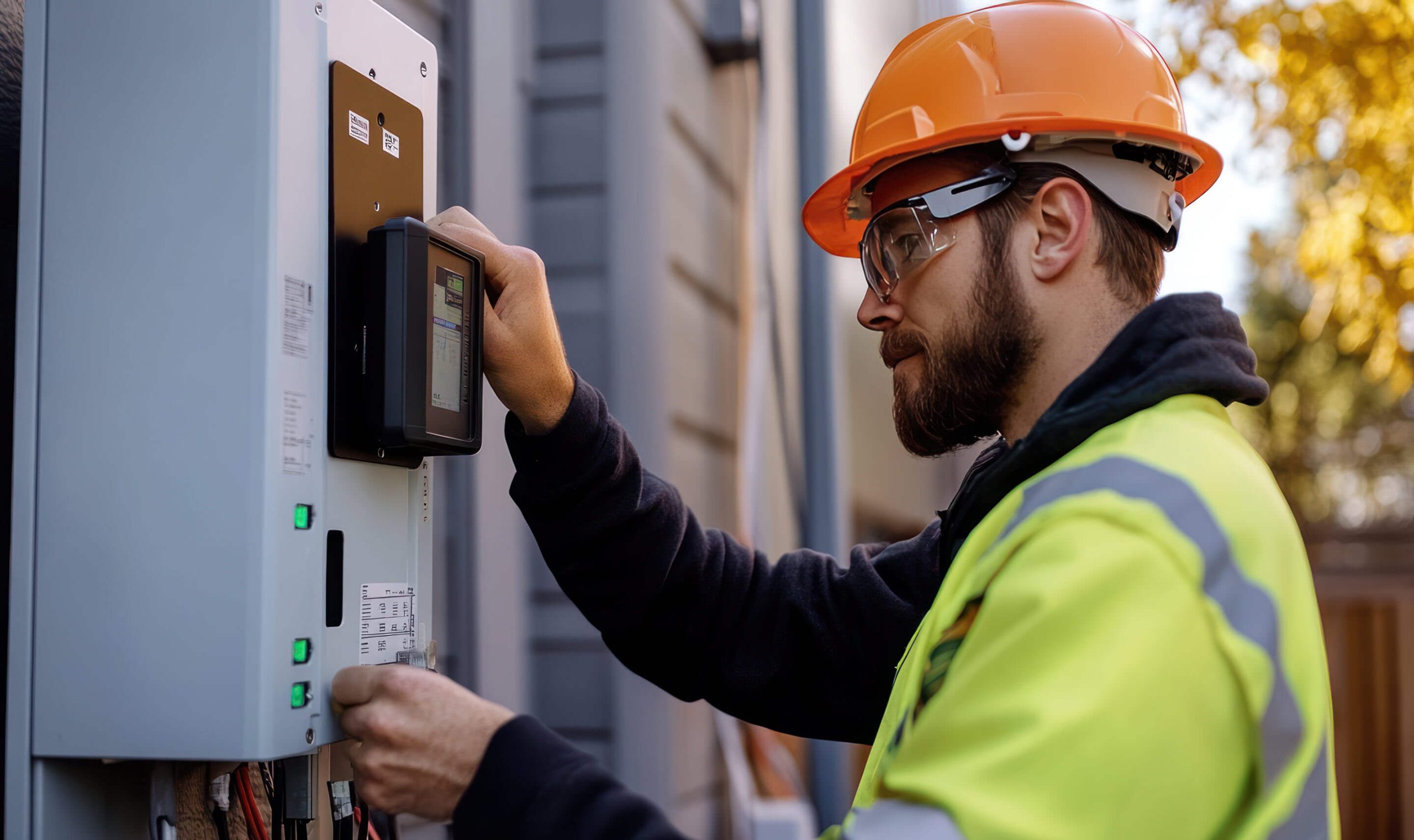
The first conversation sets the tone. A clear script helps: Your battery’s primary job is your priority—backup, bill control, or both. VPP participation is optional and secondary. That framing avoids later frustration.
Design decisions follow naturally. Installers should size batteries for the homeowner’s needs, not for a hypothetical VPP check. Critical load mapping matters more than export capacity. Connectivity also matters; reliable communications are now part of system performance, not an afterthought.
Operational details deserve attention. Homeowners should know when events typically occur, how often they happen, and what their reserve setting means in practice. Written documentation protects everyone. Recording reserve levels, tariff details, and program terms at commissioning prevents confusion when rules change.
What Homeowners Can Realistically Expect
Three outcomes remain within reach. First, better control over energy bills, especially under time-based rates. Second, improved resilience compared to solar-only systems. Third, occasional VPP incentives that feel like a bonus rather than a paycheck.
What homeowners should not expect is certainty. Event frequency depends on weather and grid conditions. Payments fluctuate. Programs open and close. When expectations are grounded, satisfaction rises.
Why VPP Adoption Is Accelerating
Despite the caveats, VPPs are expanding quickly. The reason is structural. The grid now faces higher peaks, more variable generation, and slower infrastructure upgrades. Flexible, distributed assets solve problems that centralized plants cannot address quickly. The National Renewable Energy Laboratory notes that aggregated batteries can respond in seconds, providing services that traditional generation struggles to match (National Renewable Energy Laboratory).
Large-scale dispatch events have already demonstrated that thousands of small systems can act as one. For utilities, this reduces risk. For regulators, it supports decarbonization without massive capital spending.
VPPs & Net Energy Metering
Installers are often asked whether VPPs replace net energy metering (NEM). The answer is no, but the two are increasingly linked. NEM or net billing governs how exports are credited. VPPs monetize flexibility—when energy is delivered or withheld.
As export credits decline in many states, the value of self-consumption and time-shifting increases. VPPs fit naturally into this shift. Instead of selling excess energy at low rates, homeowners use storage strategically and participate in grid support when it matters most. California’s transition away from traditional NEM structures illustrates this trend, even as program details continue to evolve (California Public Utilities Commission).
For installers, the sales narrative changes. The pitch moves from selling power back to controlling power intelligently. VPPs become an add-on that complements, rather than replaces, sound system design
A Competitive Advantage for Installers for 2026 & Beyond
VPPs are not hype, but they are not finished products either. Their value depends on policy, utility needs, and customer context. What is clear is direction. Utilities want flexible resources they can call on without building new plants. That reality favors storage-enabled homes and businesses. It also favors established VPP-platforms and networks already preparing for coordinated dispatch.
Sol-Ark® has already established VPP partnerships with some of the pioneers in the category. And, we are continuing to build a more robust VPP network that allows installers to offer participation without sacrificing homeowner priorities. Because virtual power plants are at their “infancy”, the model is not perfect, but it is practical. And it is already reshaping how the grid works.
Works Cited
California Public Utilities Commission. Distributed Energy Resources Proceedings, www.cpuc.ca.gov
Federal Energy Regulatory Commission. Order No. 2222, www.ferc.gov
National Renewable Energy Laboratory. Virtual Power Plants and Grid Services, www.nrel.gov
U.S. Department of Energy. Solar Integration and Storage, www.energy.gov